Tragedy and Justice: Karnataka HC Probes Abetment Claims in Atul Subhash Suicide Case.
Category: Criminal Law
「 ✦ Content ✦ 」
Introduction
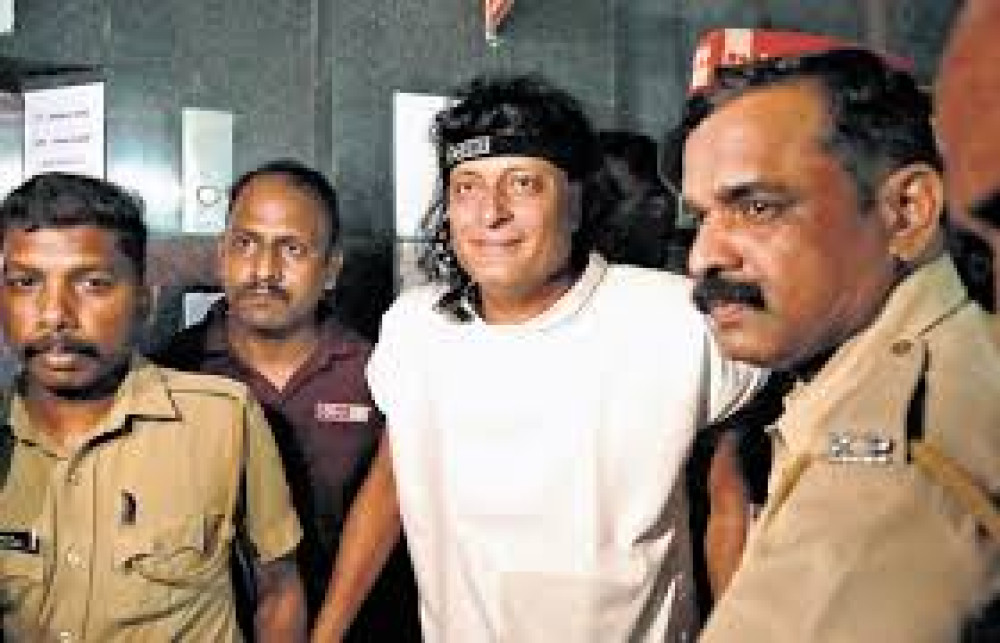
The Atul Subhash suicide case has invited the widespread attention after the Karnataka High Court’s refusal to quash an investigation against Nikita Singhania and her family members. She is the wife of Atul Subhash. Subhash was a Bengaluru-based techie who died after committing suicide on December 9, 2024. The observation of Justice S.R Krishna Kumar says that the complaint prime facie shows that the necessary ingredients for the offense of abetment to suicide are fulfilled. The decision of the court in this case points towards the importance of a complete and thorough investigation into the allegations of abetment to suicide.
BACKGROUND
Subhash’s suicide has sparked a heated discussion on issues such as harassment and matrimonial disputes. This case has become very contentious because Subhash had left a video, a suicide note of 24 pages, and a placard that reads “justice is due” before his commission of suicide. Through these, he has accused his wife and in-laws of harassment through false matrimonial cases which had also created strain on his mental health. It is also alleged that the factors that contributed to his distress which resulted in his suicide were the legal battles over issues such as divorce, alimony, and child custody in a family court in Jaunpur, Uttar Pradesh.
After the death of Subhash, his brother Bikas Kumar lodged an FIR against Nikita Singhania and her three family members. The complainant contends that the actions of Nikita Singhania and her family members amount to abetment to suicide under Section 108 read with Section 3(5) of Bhartiya Nyaya Sanhita. The allegations of harassment in matrimonial disputes were also brought forward by the petitioner in this case.
KEY POINTS
Key legal provisions: This case is based on the interpretation of abetment under Section 108 of the BNS. It defines abetment as instigation or engagement in a conspiracy to commit an offense. The complainant has alleged that the specific acts were committed by Nikita and her family members.
Arguments by Petitioner: The petitioner contends that the filing of matrimonial cases should not held as amounting to abetment to suicide and the acts of the petitioner do not show any abetment or conspiracy that led to the suicide of Subhash.
Court’s observation: The court observed that the complaint provides sufficient evidence to show the fulfillment of prima facie ingredients of abetment to suicide. The court also questioned the reluctance of the accused in helping to discover the truth
The court also observed the importance of Subhash’s video and detailed suicide notes which are key evidence of this case.
RECENT DEVELOPMENTS
The Karnataka High Court has refused to stay the investigation and has observed that it is premature stage to dismiss the case without examination of the evidence. The court has scheduled the hearing in two weeks and has provided time for the respondent to file the objections. The prosecution has been directed by the court to provide all the material for a thorough examination of the facts. The respondent Nika Singhania and her family members were granted bail by the Bengaluru court on January 4, 2025. The family of Subhash has also shown their intention to challenge the grant of bail to the respondent.
CONCLUSION
This case shows the complex interplay between issues such as legal battles, personal relationships, and mental health. The decision of the Karnataka High Court to refuse the quashing of the investigation shows the commitment of the judiciary towards justice and the examination of the allegations. The court’s decision has been welcomed because it is aimed at ensuring transparency and accountability. This case also raises issues such as mental and emotional turmoil which a person has to suffer due to the long legal battles and matrimonial disputes.
OLQ is a Pan-India basis law firm connecting legal expertise nationwide.
WRITEEN BY: ADV AYANTIKA MONDAL